History of the Antonio Machón Gallery
First Stage. Valladolid 1973–1982
In October 1973, Antonio Machón Durango opened his first art space in the city of Valladolid, which he named Carmen Durango. Over these first ten years, he developed an extensive program of exhibitions and publications. His passion for avant-garde art—particularly the Informalist movement—defined the gallery’s direction, whose goal was to contribute to the development of avant-garde art by introducing contemporary artists and trends to the Castilian region.
During this period, Antonio Machón combined his gallery work with teaching art at the University of Valladolid, bringing to the gallery that same pedagogical spirit. This, together with the selective rigor of its activities, soon earned it significant national prestige as an art center for the dissemination of contemporary artistic movements.
Exhibitions
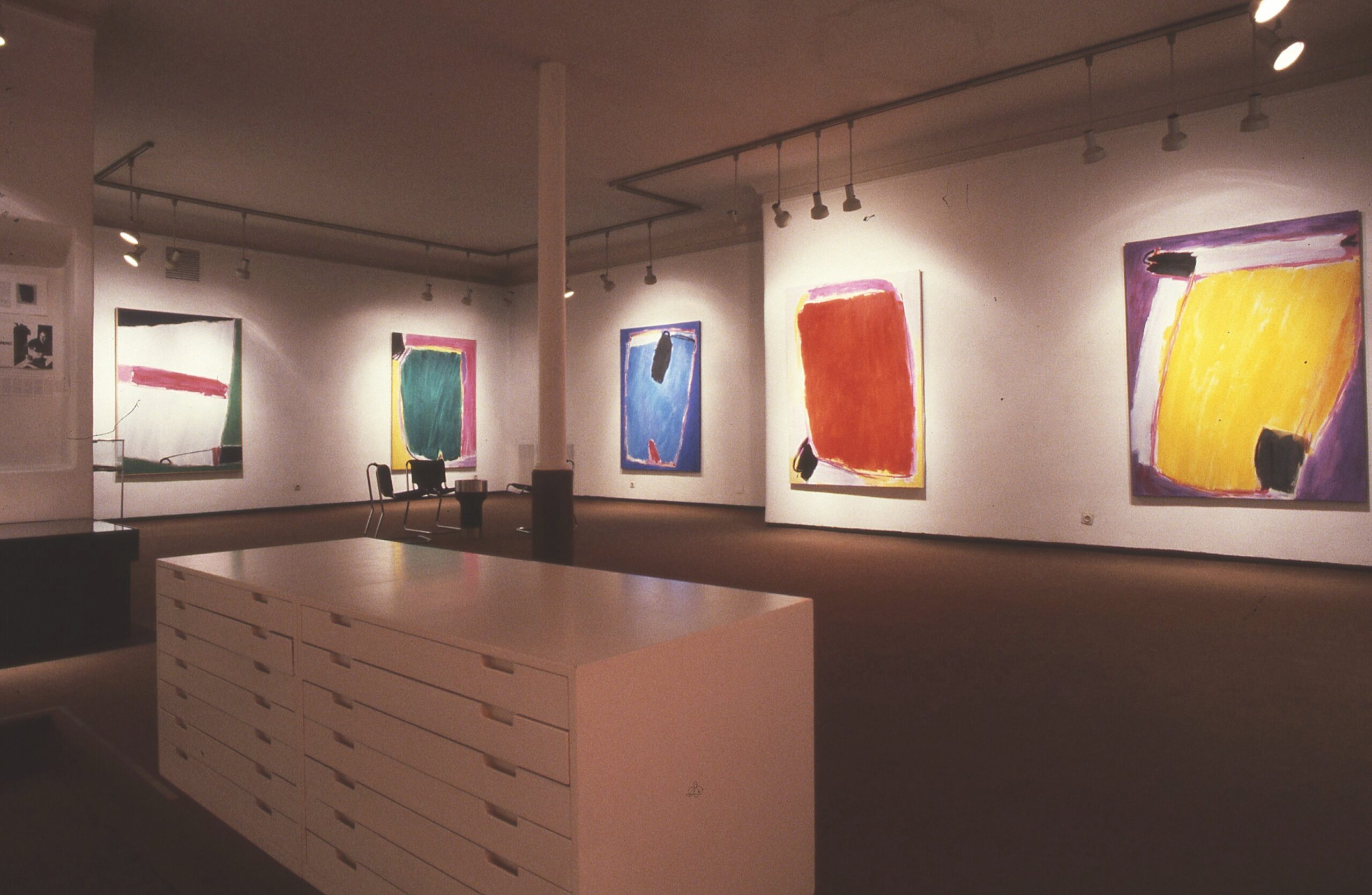
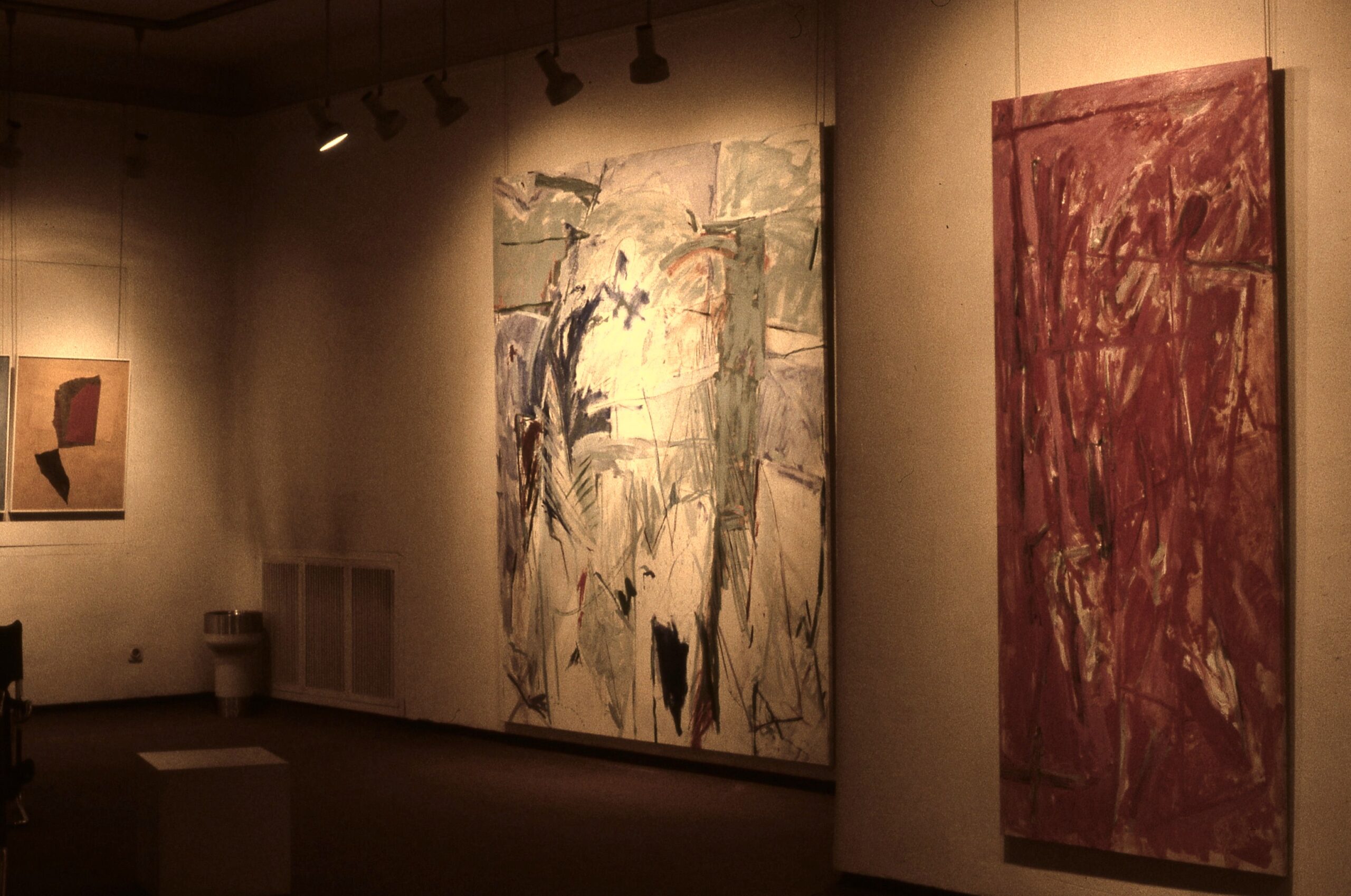
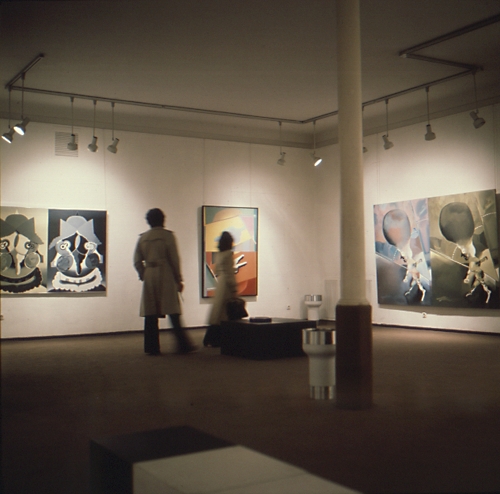
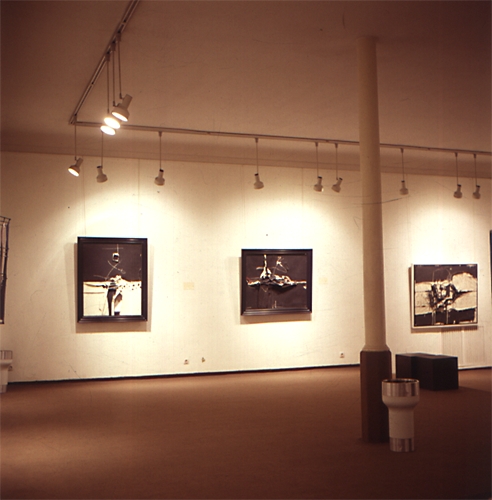
He organized a total of 62 exhibitions, featuring both artists of the so-called Historical Avant-Garde and those of later, more innovative generations. Shows dedicated to artists such as Picasso, Miró, Tàpies, Chillida, Saura, Guerrero, Sempere, Lucio Muñoz, Guinovart, and Gordillo, among others, embodied this forward-looking and renewing spirit.
Editorial Activity
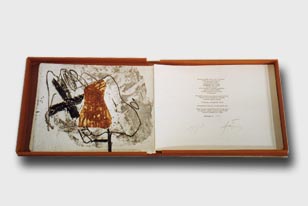
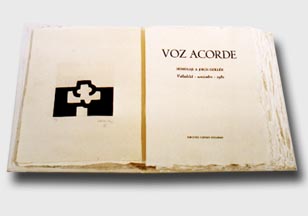
In 1976, the gallery began a publishing line dedicated to original books resulting from collaborations between writers and visual artists. The poems of Jorge Guillén joined with the etchings of Antoni Tàpies to form the book Repertorio de Junio. From the collaboration between the Castilian poet and the Granada-born painter José Guerrero came, in 1982, the book Por el Color. Alberti, Aleixandre, Gerardo Diego, Francisco Pino, and ten other poets contributed their poems to the book Voz Acorde, illustrated by E. Chillida, which represented both a contribution and a tribute that the city of Valladolid offered to the Castilian poet Jorge Guillén in November 1982.
Among the gallery’s publications, the collection Marzales gained great renown — a series of monographs devoted to visual artists, each accompanied by literary texts. The collaboration between Eusebio Sempere and Edmond Jabès produced the first volume in this series, Transparencia del Tiempo. Antonio Saura and José Ángel Valente created Emblemas. Other works emerged from partnerships such as José Hernández and José Miguel Ullán, Bonifacio and José Bergamín, Gordillo with texts by Gordillo himself, and Barjola with José Hierro.
Second Stage. Madrid 1983–2010
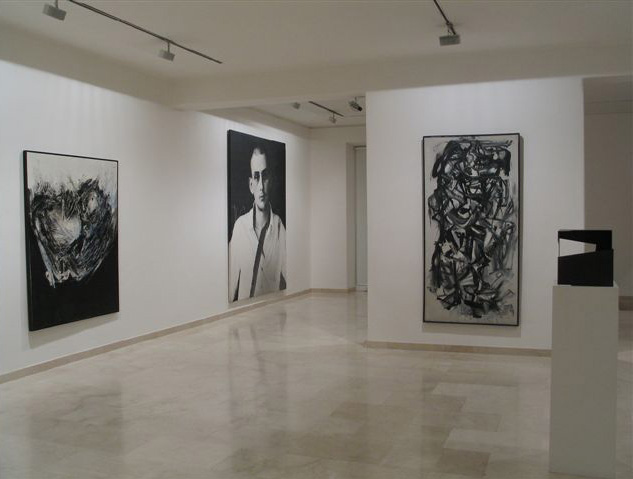
In 1983, the gallery changed its name and moved its headquarters to Madrid. Continuing in the spirit that had inspired its earlier period, it carried on its exhibition and publishing activities until July 2010.
Exhibitions
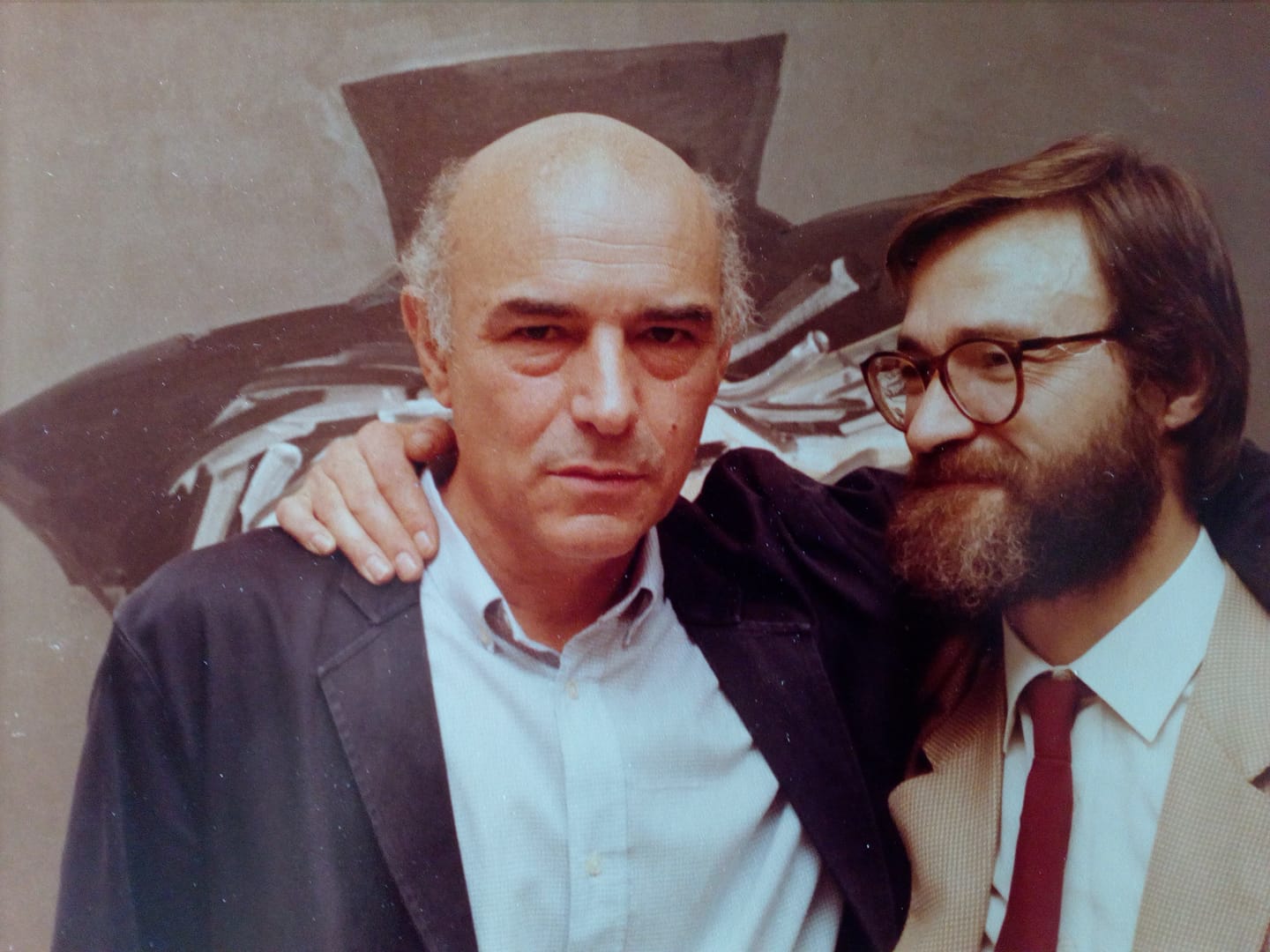
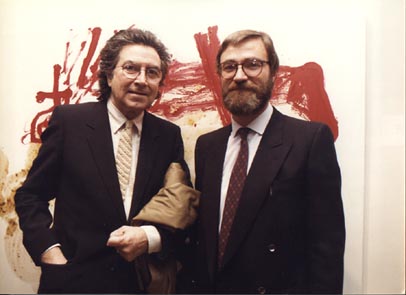
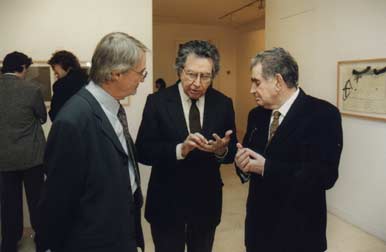
The new space, located on Madrid’s Calle Conde de Xiquena, opened on November 10 of that year with the exhibition Fifteen Imaginary Portraits by Antonio Saura, an artist who held a total of four solo exhibitions during this second stage. In December 1984, Antoni Tàpies presented an important group of paintings. In November 1999, he showcased the series Mira la Mà, a collection of 30 paintings on paper, marking the gallery’s 25th anniversary. In April 2004, the gallery celebrated the artist’s 80th birthday with a new exhibition, Tàpies: Papers, Cardboards and Collages.
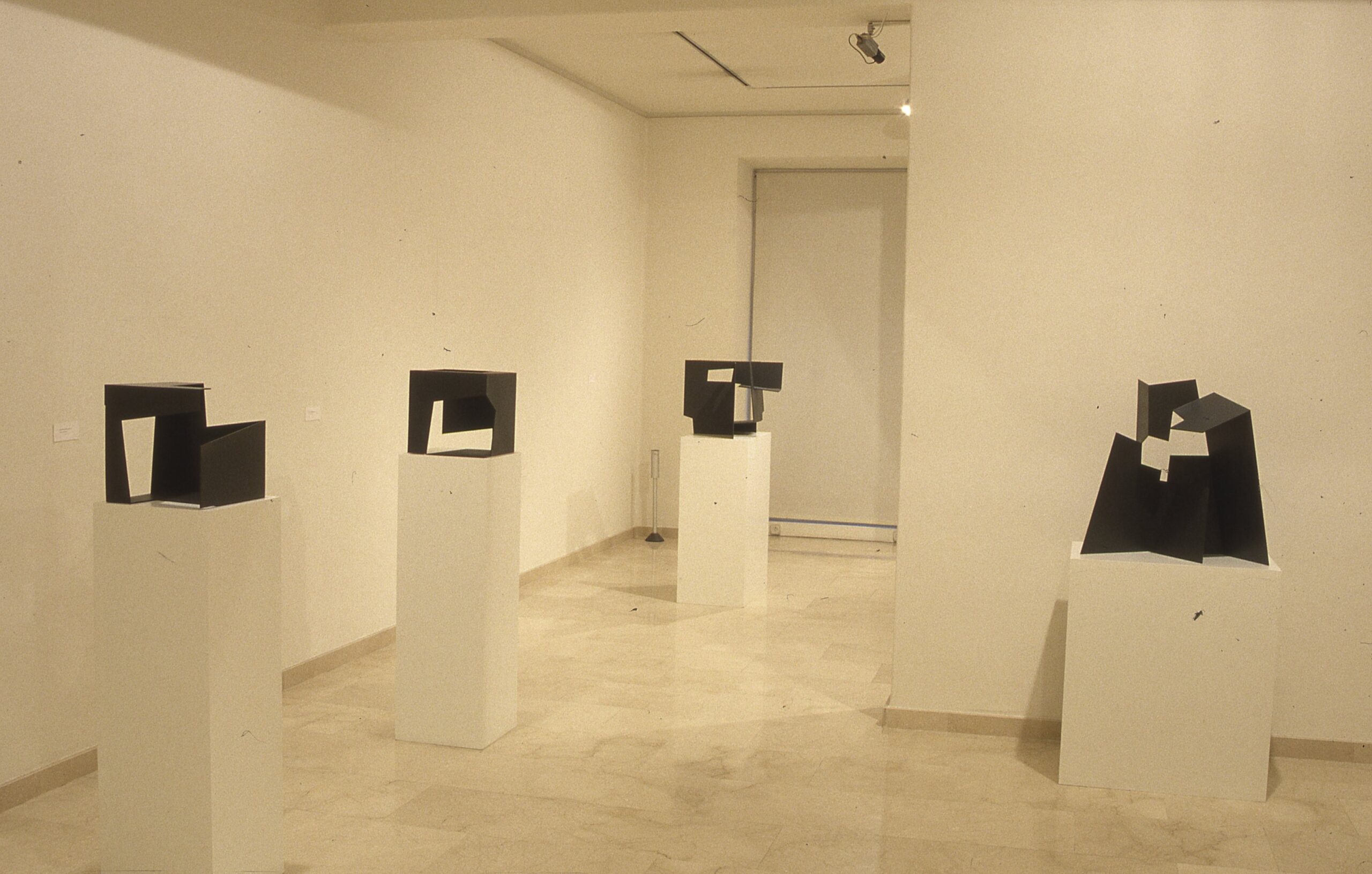
In November 1999, Eduardo Chillida exhibited a significant group of alabaster pieces, terracotta sculptures, and drawings.
Also noteworthy were the exhibitions dedicated to José Guerrero (November 2000) and Jorge Oteiza (February 2002), to whom the gallery devoted a special space at ARCO’02. For this presentation, the gallery received the Art Critics Association Prize for the best stand at the fair.
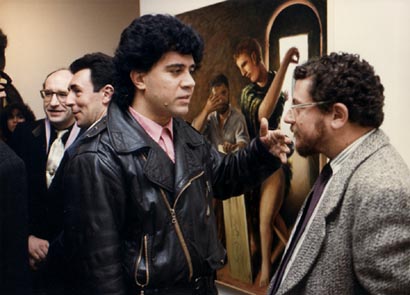
Other artists who had shown their work during the Valladolid period—such as Gordillo, Guinovart, Barjola, and Campano, among others—also exhibited in this new stage. They were joined by new artists including Darío Villalba, Guillermo Pérez Villalta, Chema Cobo, Carlos Franco, Jordi Teixidor, Juan Giralt, and others from later generations.
International Fairs
The gallery participated in several editions of the international art fairs of Basel, Cologne, and Paris. In 1982, it became part of the organizing committee of the Madrid fair ARCO, remaining a member until 1986. From that year onward, it took part as an exhibitor without interruption in the fair’s first 27 editions.
Editorial Activity
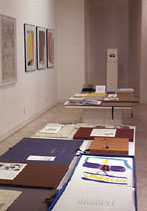
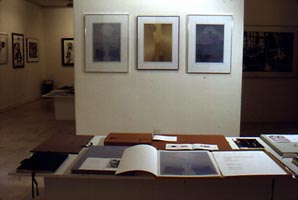
In this second stage, the gallery continued its publishing work with writers and painters, producing books and portfolios of etchings and lithographs.
The Georgics by Virgil were illustrated with etchings by Gerardo Aparicio in a beautiful small-format edition. Twenty poems by Antonio Gamoneda and six etchings by Antoni Tàpies come together in a deep and silent dialogue in the book Tú?, with which the gallery celebrated its 25th anniversary.
Because of its distinctive editorial qualities, the book León Traza y Memoria deserves special recognition. Six aquatints by José Guerrero make up the series El Alba, an explosion of color evoking the dawn over the Mediterranean of Málaga. Five lithographs and five writings by Pérez Villalta gave rise to the work El Cruce, in which the artist, inspired by the landscape of his native Tarifa, poetically reimagines the four cardinal points to offer us a deeply personal vision of the world.
In the series Temps i Llum, a set of seven hand-colored etchings, Josep Guinovart presents one of his finest and most sensitive graphic works. Many other artists—such as Chillida, Saura, Lucio Muñoz, Bonifacio, Toledo, Valdés, Gordillo, and others—created new works that enriched the gallery’s already extensive list of publications.
In January 1999, he received the Gold Medal of Merit in the Fine Arts from Their Majesties the King and Queen of Spain.
From 1970 to 2003, Antonio Machón taught at the Universities of Valladolid and the Autonomous University of Madrid as a Professor of Art Education.
Between 1986 and 1996, he carried out a major research project on children’s graphic development, which culminated in the publication of the book Children’s Drawings by Cátedra Publishing (2009).
Third Stage. Madrid 2010–2021
After 38 years devoted to his art gallery, to organizing exhibitions, and to promoting contemporary art, in October 2010, Antonio Machón began a new stage focused on advising, authenticating, and encouraging the collecting of 20th-century Spanish art.